
Eventually, Reality
Tesla has repeatedly defied convention. How long can it last?

Back in March, I wrote that Tesla was the market’s favorite exception, a company that seemed to operate outside the normal rules of valuation and accountability. I started by acknowledging something anyone writing critically about Tesla has to admit up front: betting against it has historically been a losing trade. For more than a decade, smart investors have shorted the stock with conviction, only to watch it keep going higher anyway.
Tesla has repeatedly defied conventional valuation frameworks and traditional industry comparisons. It has traded like a high-growth technology platform even when its underlying business looks far more like a cyclical automaker. That history matters, and it’s why skepticism has so often looked wrong in hindsight. It’s also why I approached the topic with some humility back in March.
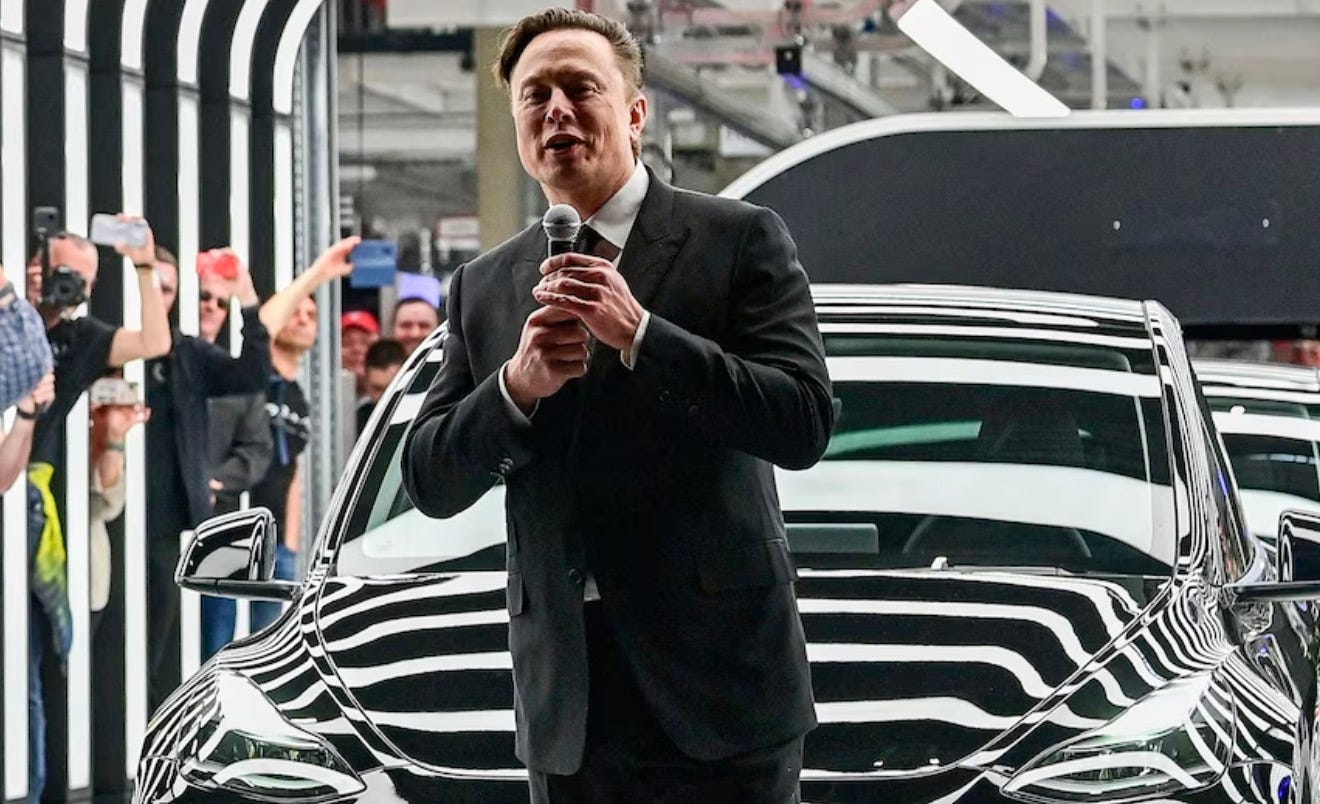
But even then, my conclusion was simple. I didn’t want to own it. At roughly a $1.5 trillion valuation, trading at hundreds of times earnings and far above companies generating vastly better numbers, Tesla stood out as an extreme outlier. Meanwhile, the core automotive business that actually generates most of its revenue was showing signs of slowing, rather than accelerating. The bull case still rests almost entirely on things that don’t yet exist at scale, like robotaxis and humanoid robots. That gap between narrative and reality has always been the central tension in the Tesla story. It’s also been a corridor that Elon Musk has traversed deftly.
But now that tension is running into something Tesla may not be able to just narrative its way around.